







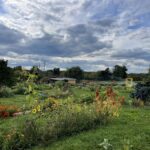



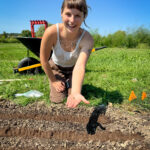




Join Learning Garden Manager Julie on Friday May 15 from 3.30–5pm in the Learning Garden at Katchkie Farm for our second free garden consulting session, where she’ll guide participants through the garden and review how to get your garden growing this year. Bring any questions you have about seeding, garden prep, and planting! To register, email Julie here.
— — — —
At The Sylvia Center, we often talk about the power of hands-on learning. A few weeks from now, our students will walk into the Learning Garden at Katchkie Farm and start pulling food from the ground—tasting herbs, harvesting vegetables, carrying ingredients back to the kitchen. What we talk about less is what it takes to make those moments possible.
As Learning Garden Manager, I see that side of the work every day. The garden isn’t just a place where food grows—it’s a classroom, and it’s designed with intention. Long before students arrive, every ingredient they’ll touch has been planned with their learning experience in mind.
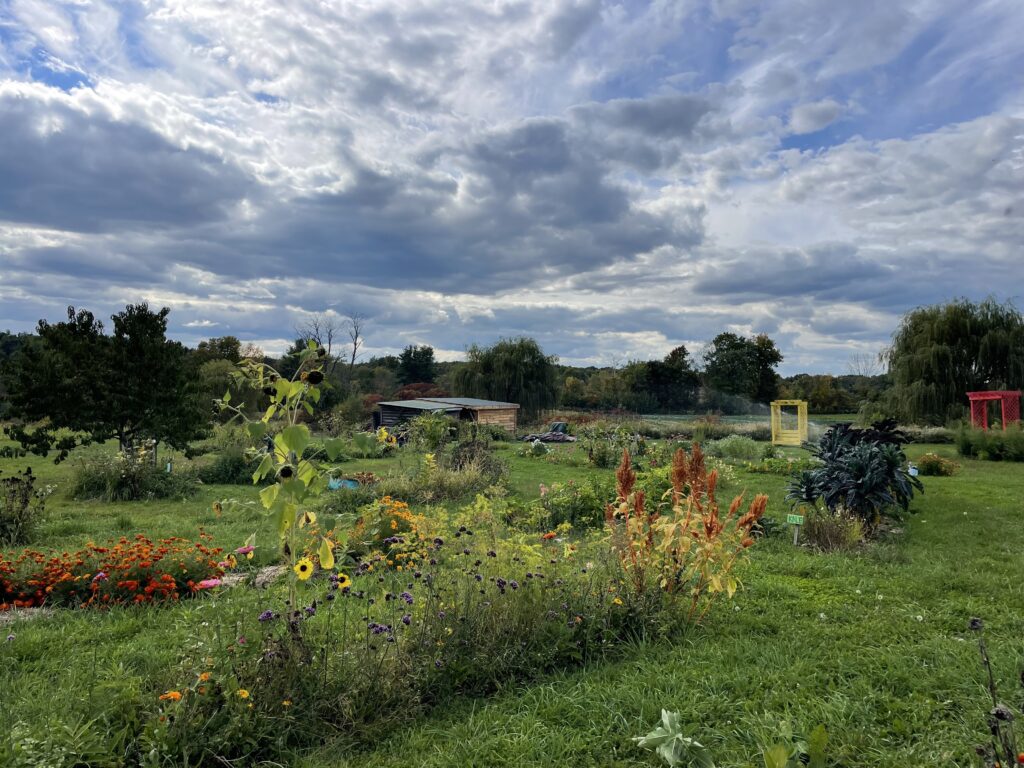
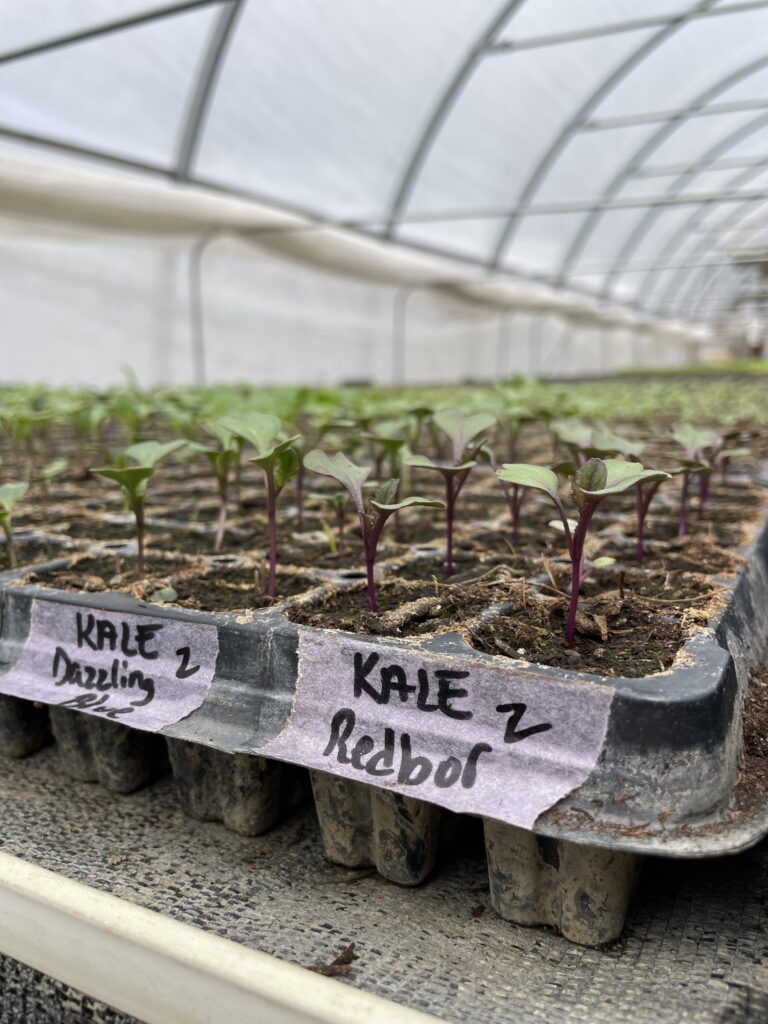
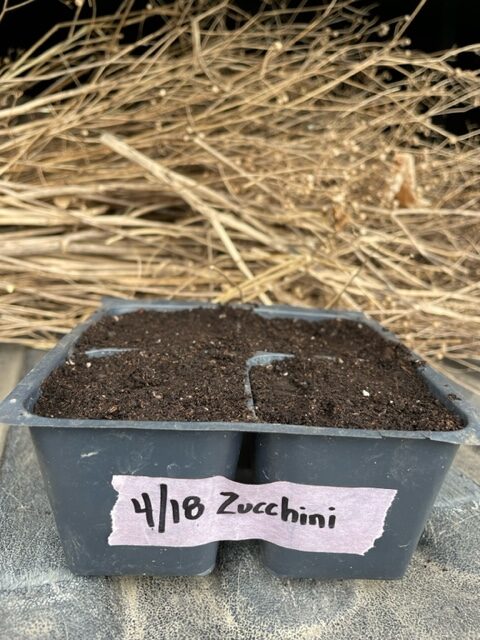
At the Learning Garden, April is when things begin to look alive again: perennial herbs push through the soil, flower bulbs come up, trays of seedlings fill the greenhouse, protected from pests and the cold. From the outside, it feels like the beginning of the season. But for the majority of gardeners, the work begins in winter.
Planning for the Magic
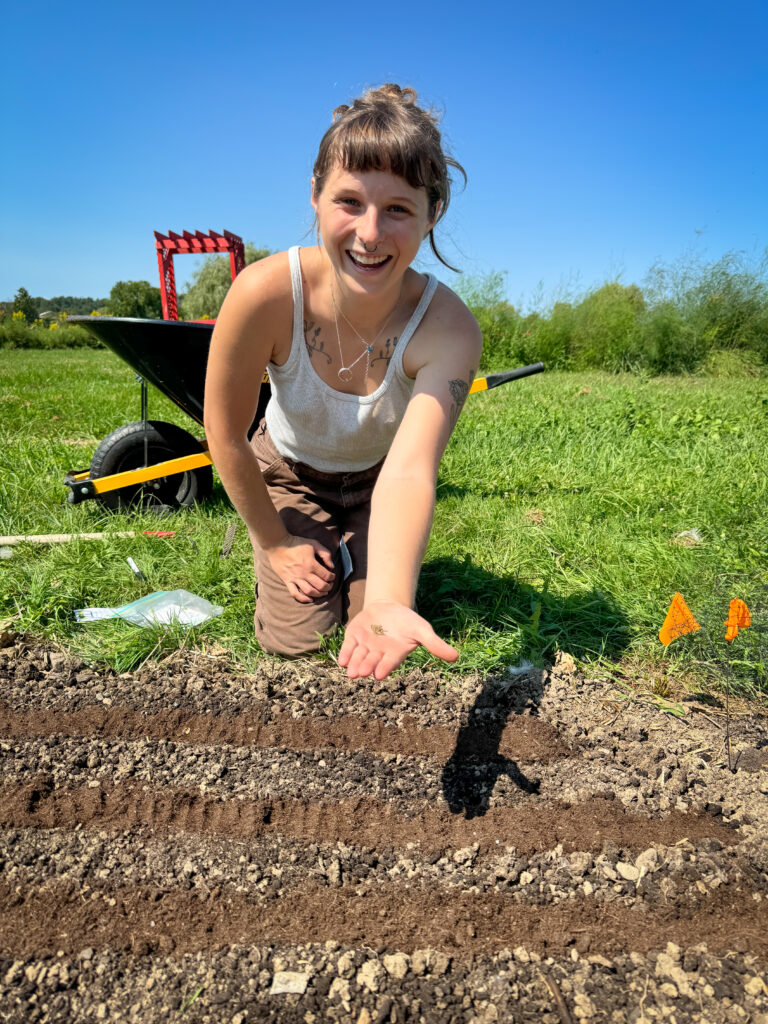
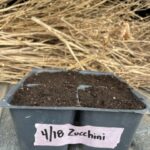
Most crops begin in the greenhouse, in trays, and by the time seeding starts, we’re executing a plan that’s been in place for months. What we grow is shaped not just by what thrives in the Hudson Valley, but by what students will cook and eat in our programs. The plan lives on a detailed spreadsheet that maps the growing season week by week—what we’re planting, tray sizes, spacing, and notes on what to adjust. Observation and record-keeping are vital. “That bed stays wet longer than the others.” “That bed needs to be watched closely for fast-growing weeds.” It’s a living system, and that level of planning is what makes the “magic” possible.
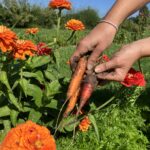
In the Learning Garden, we’re not just growing 250 varieties of plants—we’re cultivating experiences for our students. We grow multiple varieties of crops like broccoli and lettuce, each suited to different conditions, showing students that vegetables don’t look and taste just one way. They have variation—color, texture, flavor.
We return to certain kid-approved staples every year—like lunchbox peppers—but we also leave space to experiment. I’m really excited about the new asparagus planting: the one we’re currently harvesting from was planted in 2011, the year I started at TSC. We’re also trying new varieties like Schoenbrunn Gold ground cherries, Pink Champagne currants, Apple Elongated sweet peppers, and Upstate Abundance potatoes.
Beyond the Garden
Every decision creates the garden-classroom connection. When students are in the garden, they’re not just learning about food—they’re making a connection to what they eat. Sometimes that connection starts small. If I feel like I’m losing a group’s attention during a visit, I’ll just start eating flowers. A child always notices, and it sparks curiosity.
Edible flowers are a great entry point for getting curious about flavor—some are mild, like pansies or borage, while others, like nasturtiums, are surprisingly spicy. They encourage students to slow down and really pay attention to taste.
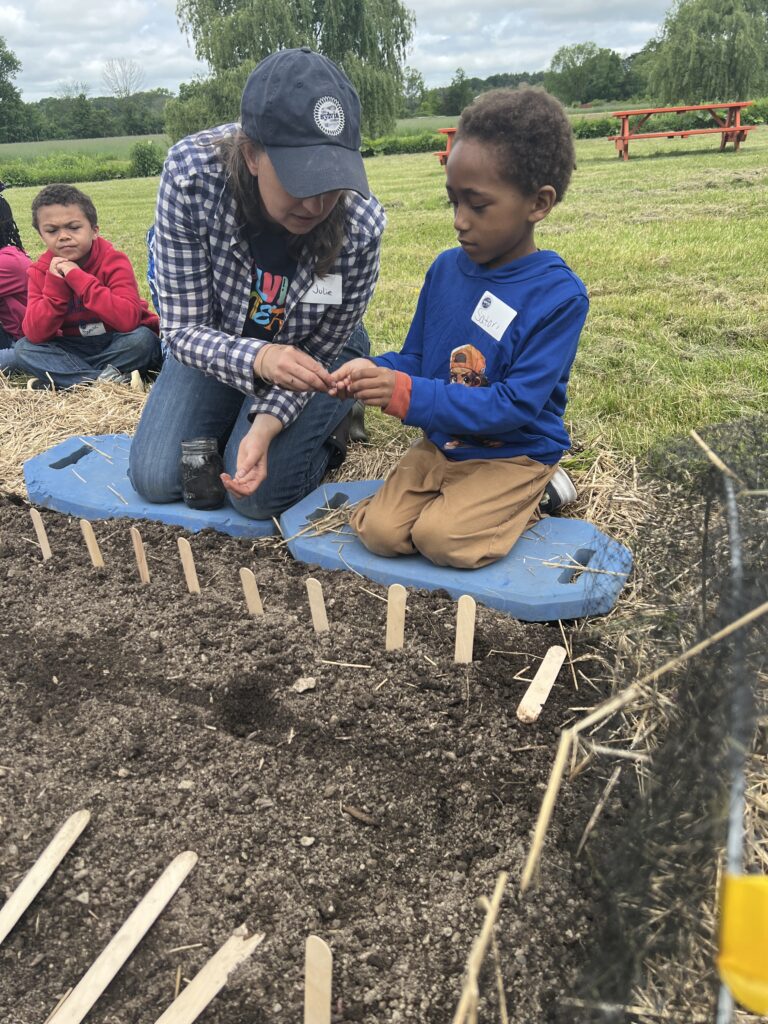
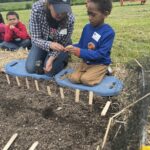
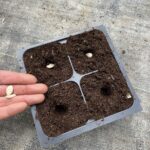
We deepen that connection through programs like Farmer in the Classroom. In the spring, students plant seeds in the classroom with us before they visit the farm. We grow them, and they return to harvest them later in the season. In the fall, we bring the experience back into the classroom, using photos, reflection, and a harvest of pea shoots to reconnect students to what they did on the farm during the summer. It’s about engaging students in the full cycle.
– – – –
That’s what makes the Learning Garden at Katchkie Farm so central to our work.
It’s not just a place where food grows—it’s where students begin to understand their own role in that process. When they’ve planted something, watched it change, and eaten it, the connection is real.
And it’s work that starts long before anything is ready to harvest.
 Julie is a passionate gardener, author, and educator, and she loves creating magical spaces in which student gardeners can learn. Learn more about her here!