

Food education doesn’t end when a student leaves the classroom.
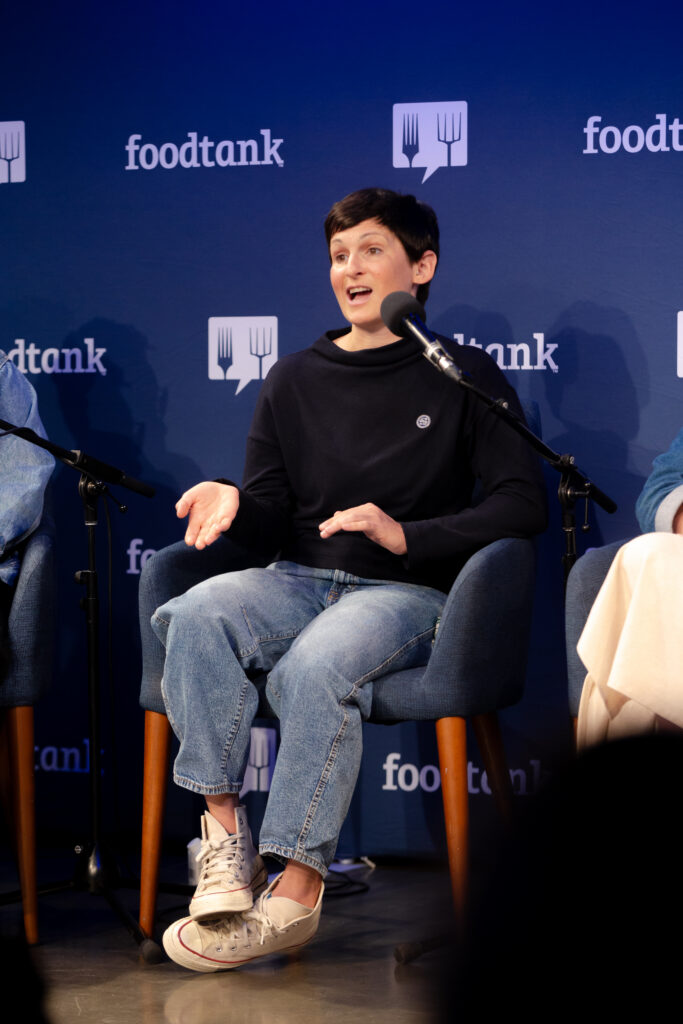
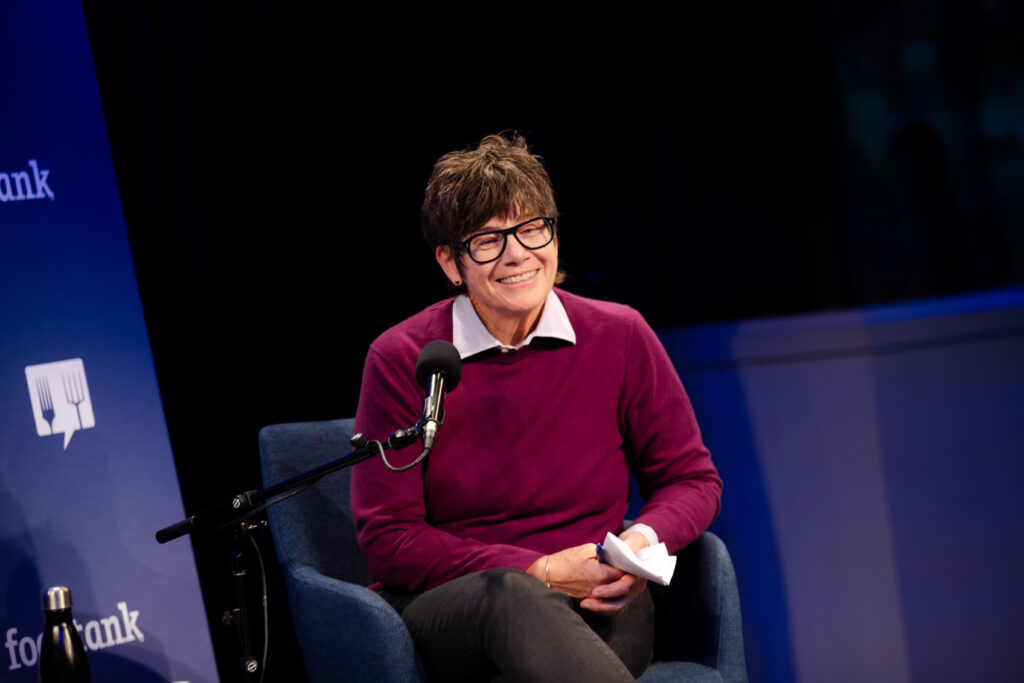
That was at the heart of a recent conversation at Food Tank’s “The Future of Food Education” Summit, presented in partnership with during Climate Week NYC.
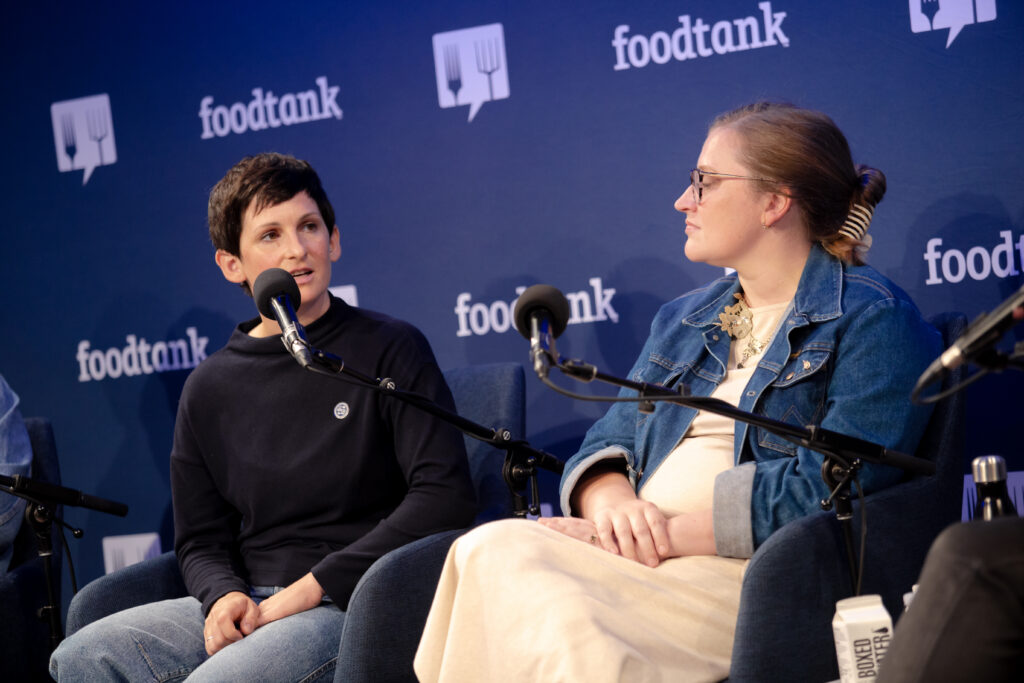
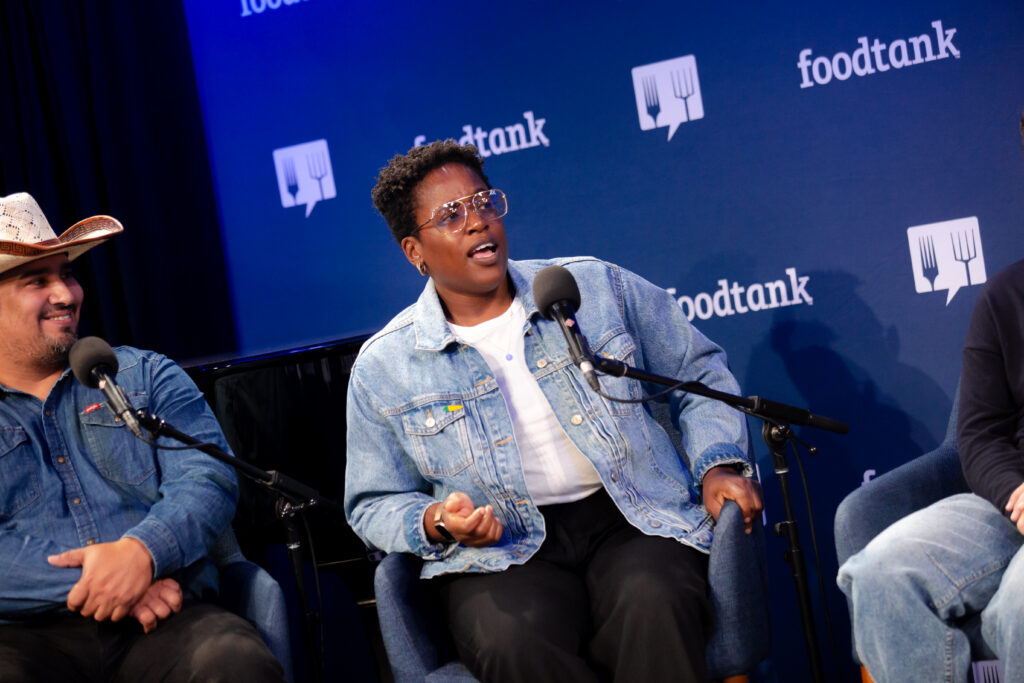
The Sylvia Center’s Education Programs Director, Beth Bainbridge, joined Gerardo Martinez of Wild Kid Acres and Shanon Morris of Harlem Grown for “Beyond the Classroom: Community Connections in Food Education,” moderated by Kim Severson, National Food Correspondent at The New York Times.
The conversation explored a question we’ve been working on at The Sylvia Center for nearly two decades: what becomes possible when food education connects schools with homes, farms, gardens, kitchens and communities?
For us, those connections are essential.
Hands-on food education can help young people understand where food comes from, how it connects to their health and communities, and how they can put that knowledge into practice in their own lives.
That’s why our work doesn’t happen in just one kind of classroom. We teach in schools and community spaces across New York City. Families cook together through our Family Program. At our Learning Garden in Columbia County, young people can plant, harvest, taste and cook the food growing around them.
The settings are different, but the idea connecting them is the same: meaningful food education gives young people opportunities to learn about food by participating in it.
We were proud to have Beth bring The Sylvia Center’s experience to a wider conversation about what the future of food education can look like—and grateful to Food Tank and Pilot Light for bringing together organizations working toward that future.
Watch the full “Beyond the Classroom” conversation: