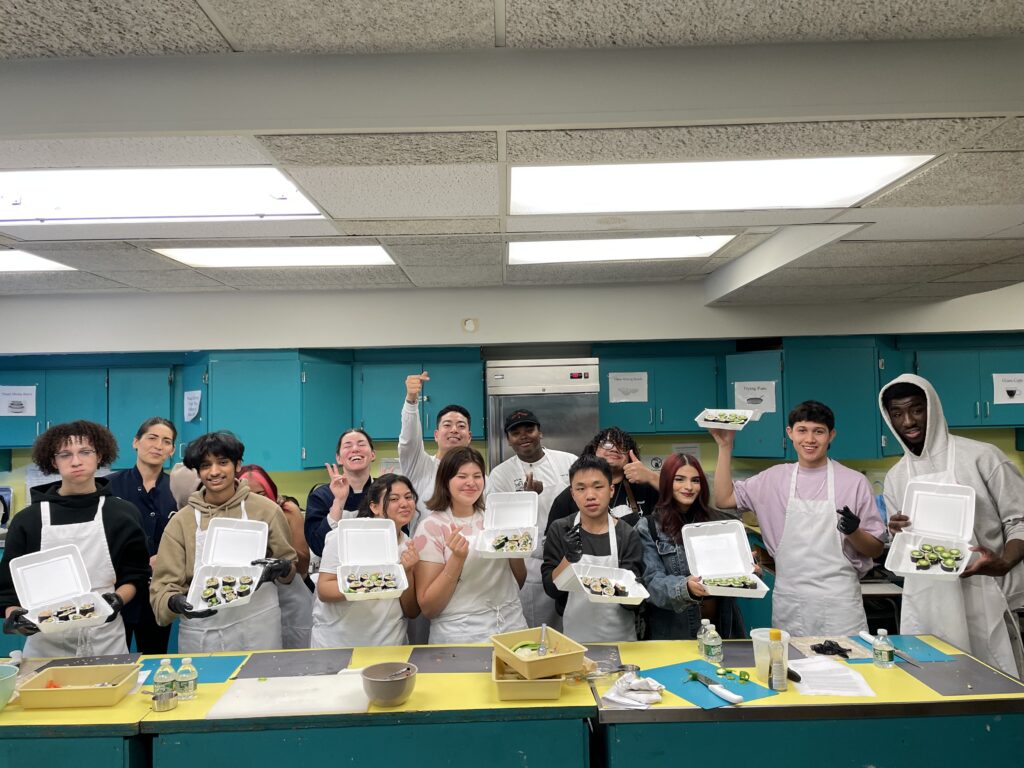
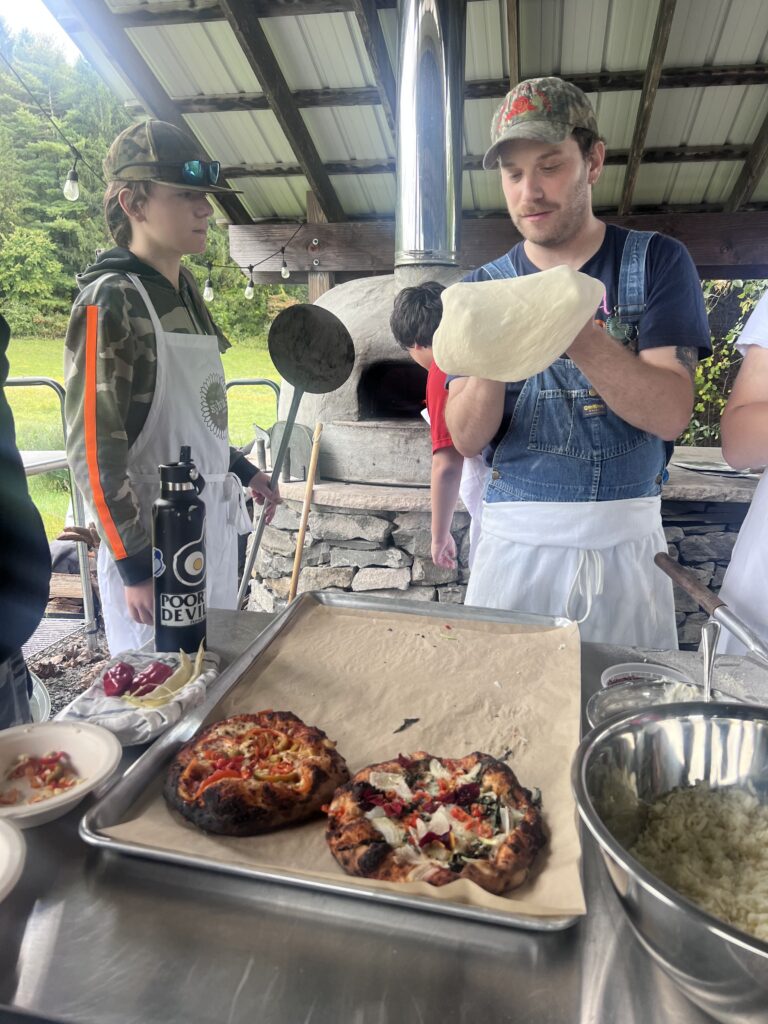
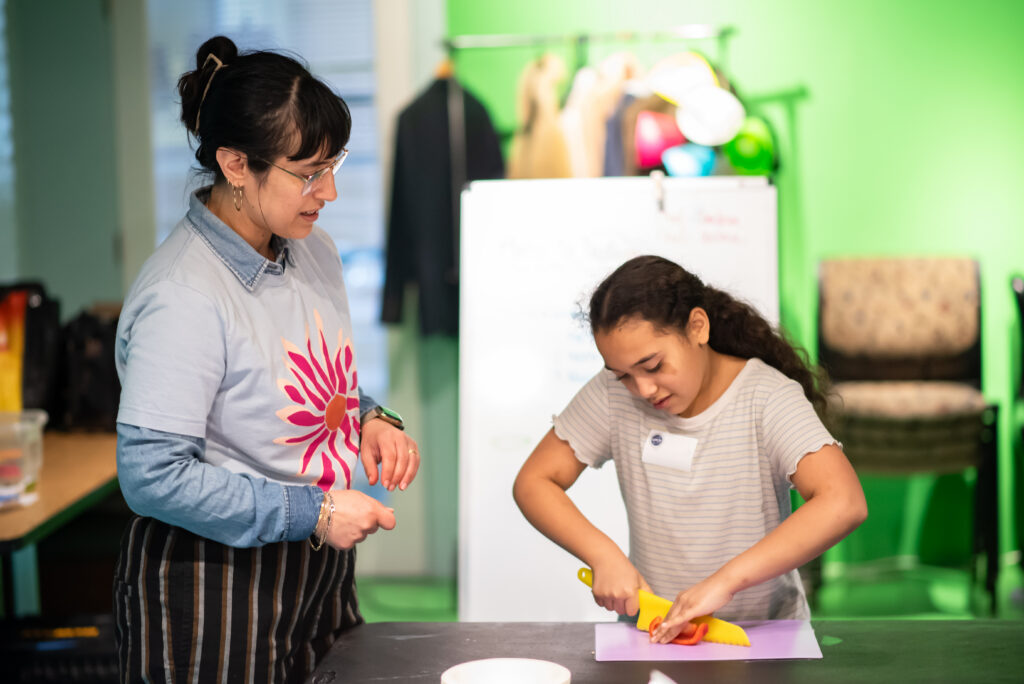
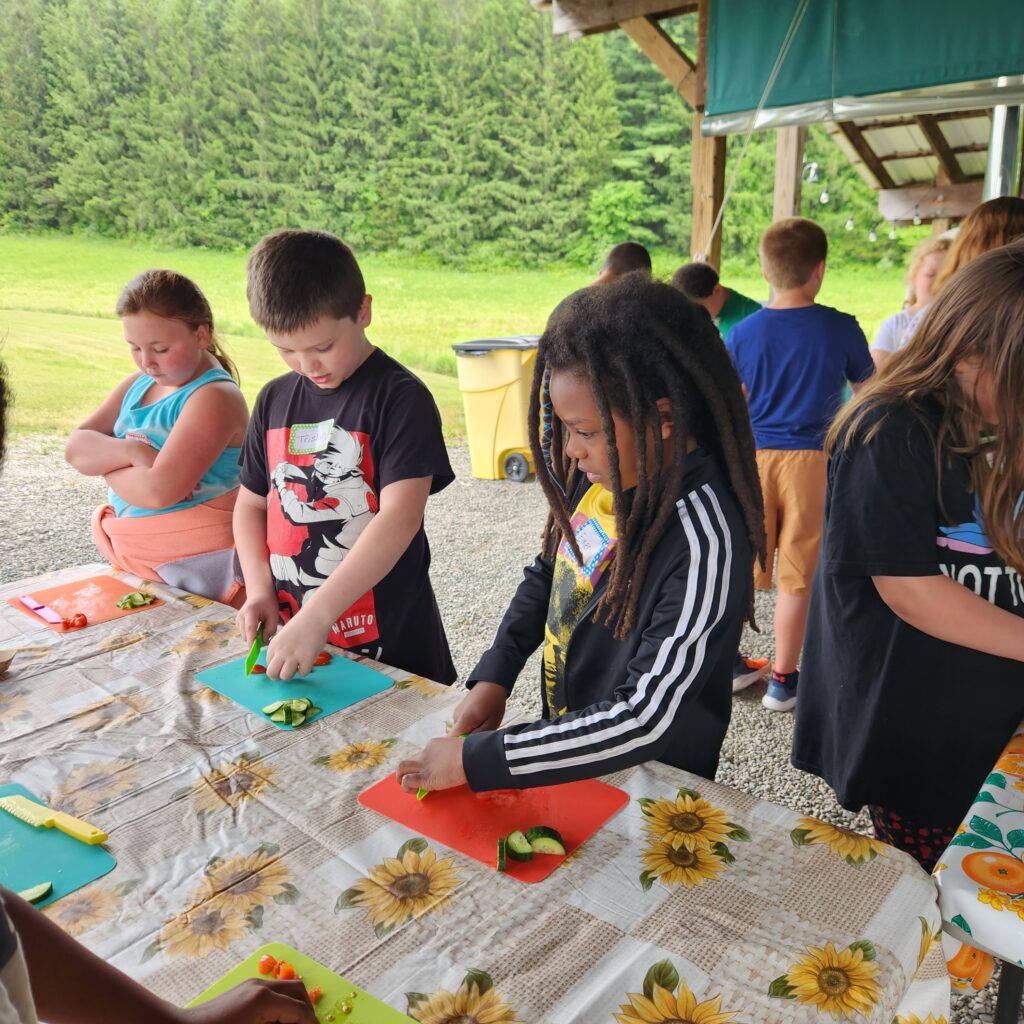



What does a cooking class teach beyond cooking?
At The Sylvia Center, a recipe is more than a set of instructions. It’s an opportunity to explore nutrition, discover food traditions, practice new skills, and build confidence. And while the ingredients and dishes change from class to class, the principles behind our teaching remain consistent.
Our approach brings together culinary and nutrition education, cultural representation, positive youth development, and inclusive teaching practices—creating opportunities for students to learn in ways that reflect their interests, experiences, and individual needs.
Why Teach Nutrition Through Cooking?
Nutrition education has been central to The Sylvia Center’s mission since its founding. Diet plays an important role in preventing and managing many chronic diseases, and understanding food can help people make informed choices that support their health.
But knowing that vegetables are nutritious is only part of the picture. Learning how to prepare them, make them taste delicious, and incorporate them into meals you enjoy makes that knowledge useful in everyday life. That’s why we pair nutrition education with hands-on cooking.
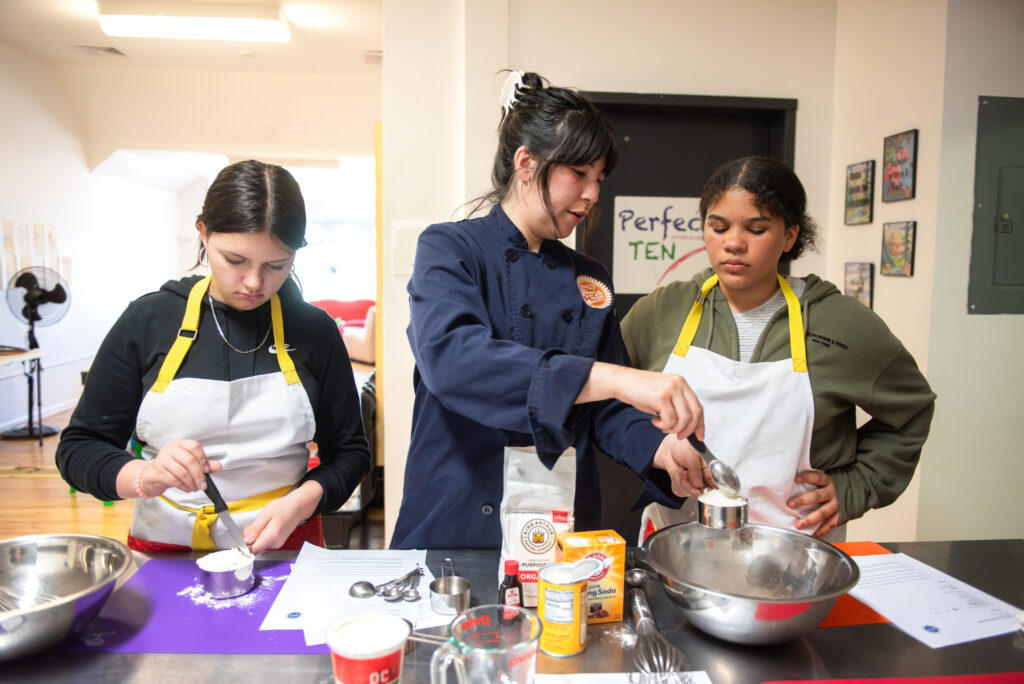
Students learn about ingredients by working with them: chopping vegetables, experimenting with herbs and spices, exploring how flavors interact, and discovering how different cooking methods change a food’s taste and texture.
Rather than simply following a recipe, they’re encouraged to understand why it works. What gives a dish its structure? How does acidity affect flavor? What happens when you substitute one ingredient for another?
These questions help students develop practical culinary knowledge they can apply to other dishes, rather than relying on instructions alone.
Our approach also recognizes that healthy eating is shaped by more than individual choices. Food costs, availability, cultural traditions, family circumstances, and access to cooking facilities all influence what people eat. Learning to navigate those realities—to choose ingredients, adapt recipes, and prepare meals with the resources available—takes practice. We aim to give students flexible skills and knowledge they can use in their own lives.
How Do Heritage Diets Shape Our Classes?
Food is inseparable from culture, identity, and community. The recipes we teach reflect that.
Our curriculum draws on heritage diets: traditional patterns of eating shaped by the ingredients, agricultural practices, histories, and food cultures of communities around the world.
Rather than presenting one particular cuisine as the model for healthy eating, we explore the nutritional value and culinary traditions found across many cultures. This approach also helps students recognize their own experiences in the classroom.
When a group of students asked to make fufu and egusi soup after discovering the dishes on TikTok, our educators drew on our expansive database of recipes, and helped them bring that curiosity into the kitchen.
These connections matter. Seeing familiar foods celebrated in class can help students feel recognized and valued, while unfamiliar ingredients invite curiosity and discovery. Exploring both gives young people opportunities to learn from one another, try new flavors, and recognize that nourishing food takes many forms across cultures.
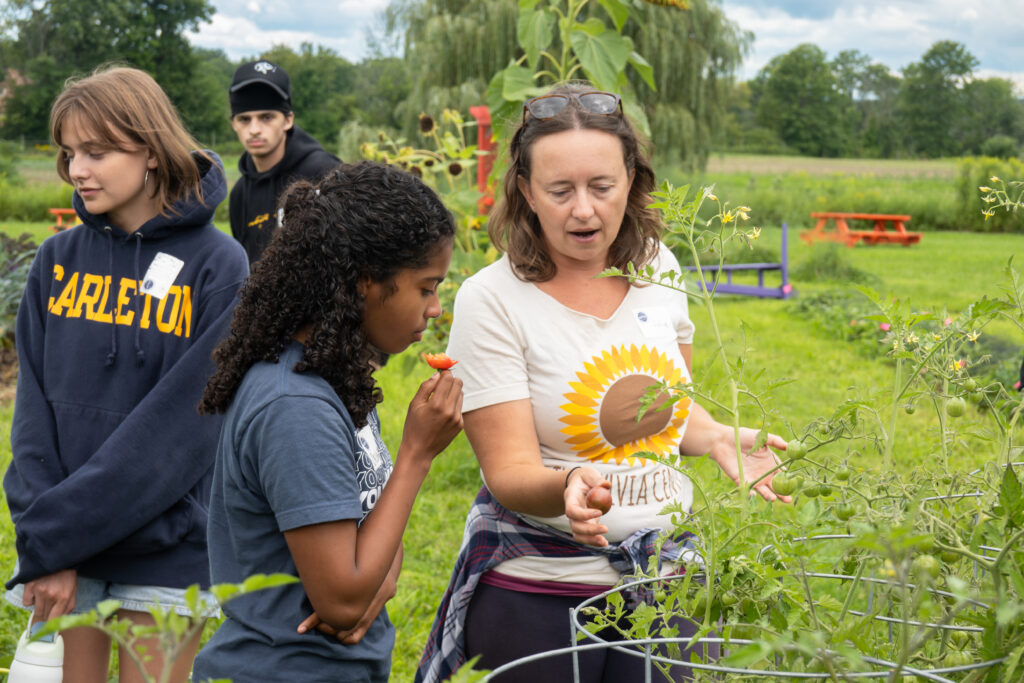
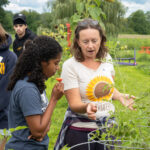
Exploring where ingredients come from is another part of that discovery. At our Learning Garden at Katchkie Farm, students can encounter ingredients growing in the soil before harvesting, preparing, and tasting them. In city classrooms, seasonal produce provides opportunities to discuss how food is grown and how ingredients change throughout the year.
How Do We Support Different Learning Needs?
A Sylvia Center class isn’t just about what students learn. It’s also about how they experience learning. Our teaching incorporates principles of positive youth development (PYD) and social-emotional learning (SEL), recognizing that young people bring their own strengths, interests, experiences, and needs into every classroom.
Positive youth development guides how we support young people, recognizing their strengths and creating opportunities for meaningful participation. Social-emotional learning helps students develop skills such as communication, self-awareness, resilience, and decision-making.
Cooking gives students opportunities to put these skills into practice. They can take responsibility for a task, contribute to a shared meal, solve problems together, and experience the satisfaction of mastering something new. Our educators also adapt their teaching to support different learning needs.
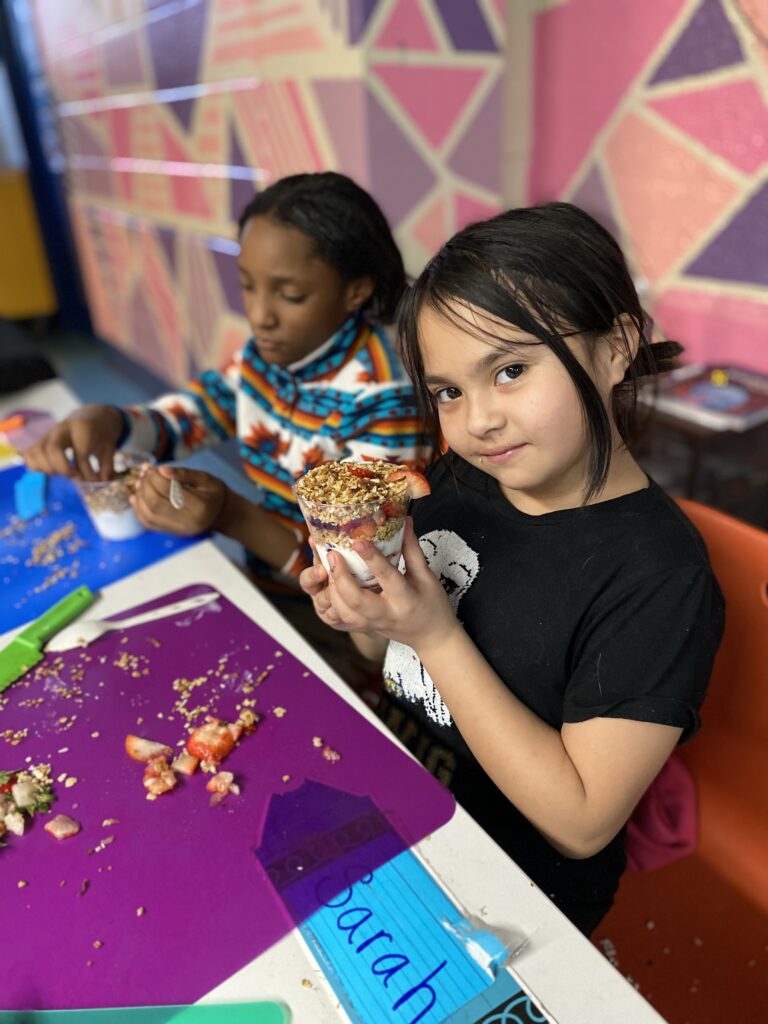
That supportive approach is particularly valuable when students encounter unfamiliar foods. Trying something new can feel daunting, especially for children who are cautious about tastes or textures. In our classrooms, curiosity is encouraged without pressure: students can explore an ingredient by touching, smelling, preparing, or tasting it, alongside peers who are making discoveries of their own. What might be a challenge at home can become a shared adventure.
In one class, a student who found conventional activities difficult to engage with was given opportunities to explore cooking tools and ingredients through touch. With space for sensory exploration, she became deeply involved in the lesson. She later recreated a Korean rolled omelet at home several times, experimenting with her own variations. It’s an example of how a small adjustment to the learning environment can open up new possibilities.
Visual demonstrations, accessible instructions, sensory considerations, and flexible approaches to participation can all help make cooking more welcoming. The goal isn’t for every student to learn in exactly the same way, but for every student to have meaningful opportunities to participate.
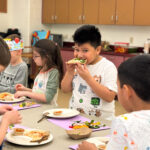
And when the cooking is done, sharing a meal brings another dimension to the experience. Sitting down together gives students a chance to enjoy what they’ve created, talk about flavors and ingredients, and learn from one another’s reactions. It’s a reminder that eating isn’t only about nutrients or individual choices; food also brings people together.
Learning That Lasts Beyond the Classroom
One of the most valuable things students can take from a cooking class isn’t a finished dish. It’s the ability to use what they’ve learned somewhere else.
Through hands-on cooking, students practice skills they can use in their everyday lives: following recipes, handling kitchen tools safely, preparing ingredients, and making meals for themselves and others. They learn to explore unfamiliar foods, understand how different ingredients nourish their bodies, and make choices based on their needs and preferences. Along the way, they practice communicating, solving problems, and working together toward a shared goal.
The student who recreated a Korean rolled omelet at home, for example, was doing more than following a recipe. She experimented with different ingredients, prepared dinner for her family, and invited them to weigh in on their favorite version. In the process, she was putting her new skills into practice, making the recipe her own, and bringing her family together around a shared meal.
These are the moments we hope to encourage—when students feel confident enough to take what they’ve learned and make it part of their everyday lives.
Our educators play an essential role in making that possible. They bring culinary expertise together with an understanding of how young people learn, encouraging curiosity, asking questions, recognizing strengths, and helping students develop confidence through practice.
A Sylvia Center class might begin with a recipe, but the learning doesn’t end when the meal is ready. By bringing nutrition education together with cultural connection, practical skills, and supportive teaching, we help young people develop the tools to make informed food choices, try new things, and share what they’ve learned with others.
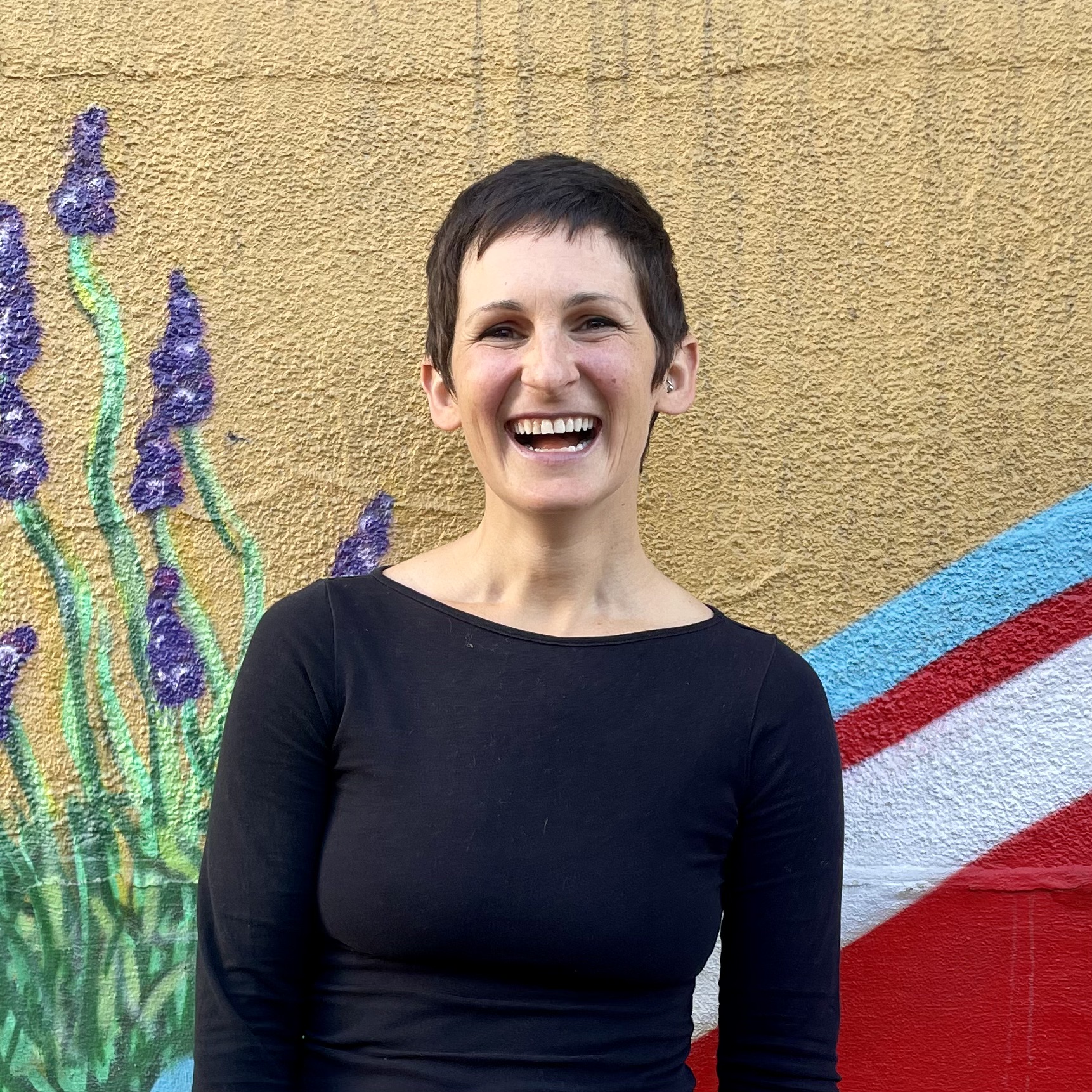
Reviewed by The Sylvia Center’s
Education Programs Director Beth Bainbridge, MPH, RDN