



At South Brooklyn Community High School in Red Hook, a heritage diet lesson on corn starts with a knife and a cutting board—and opens into a conversation about food, farming, and local history.
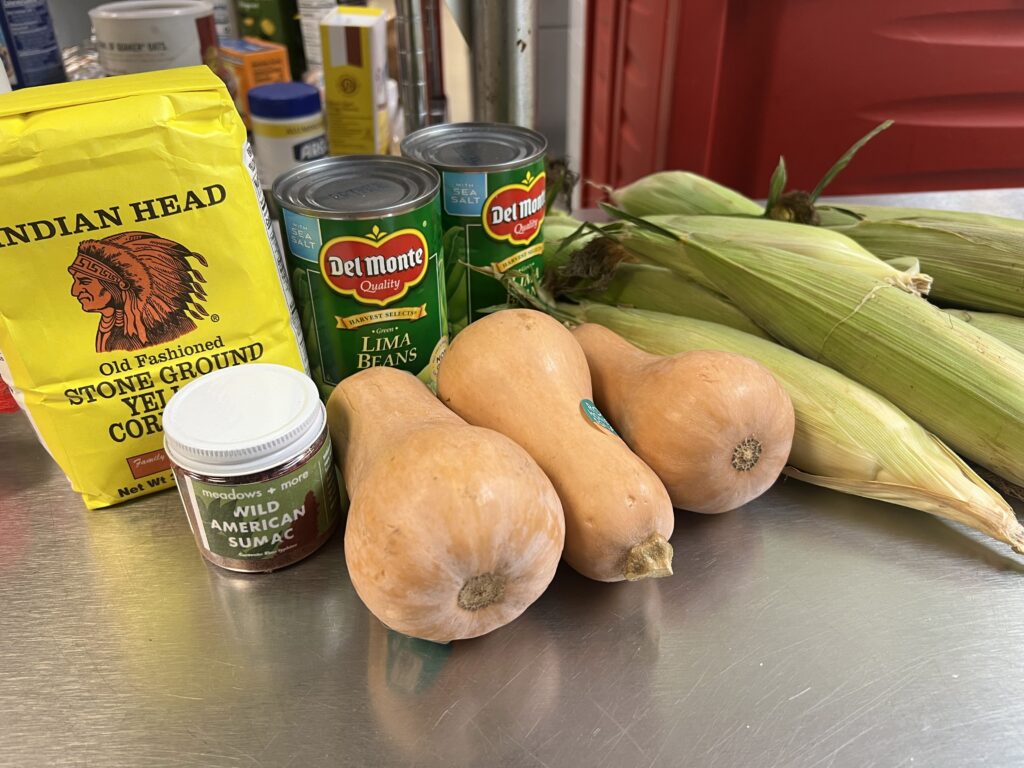
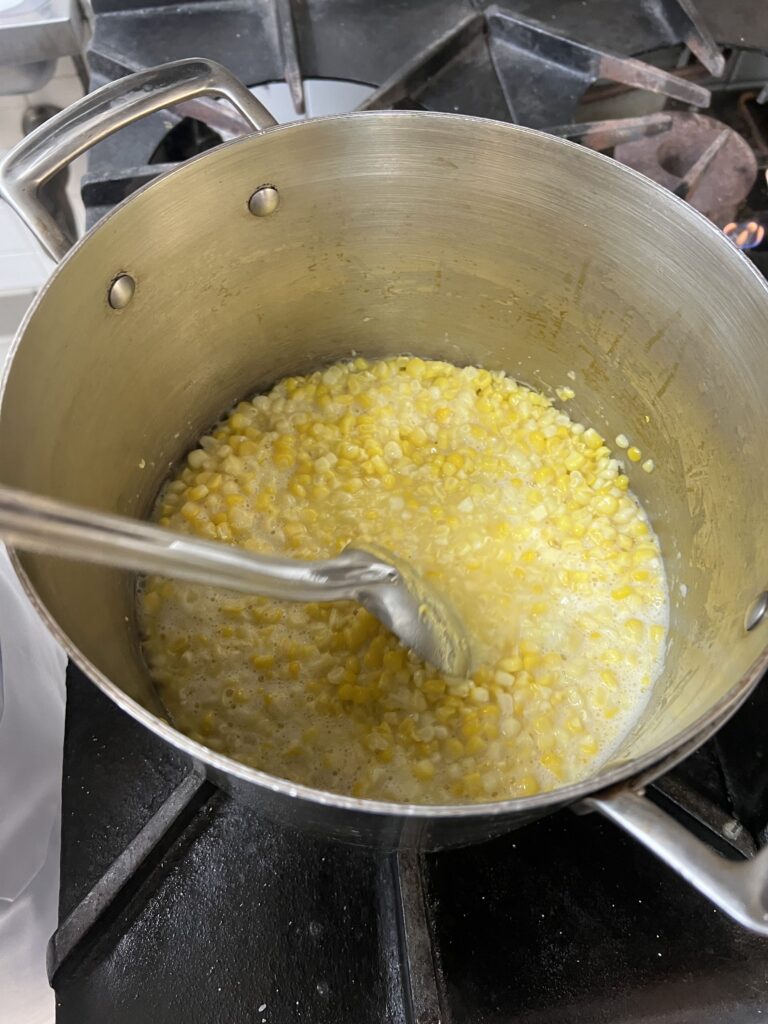
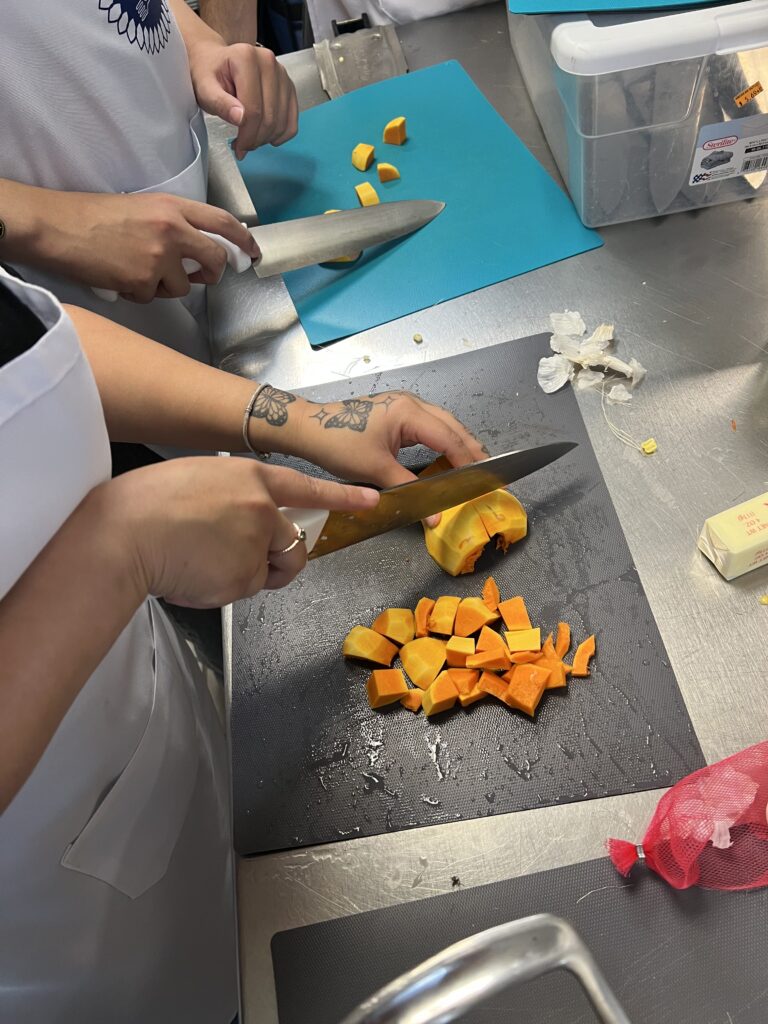
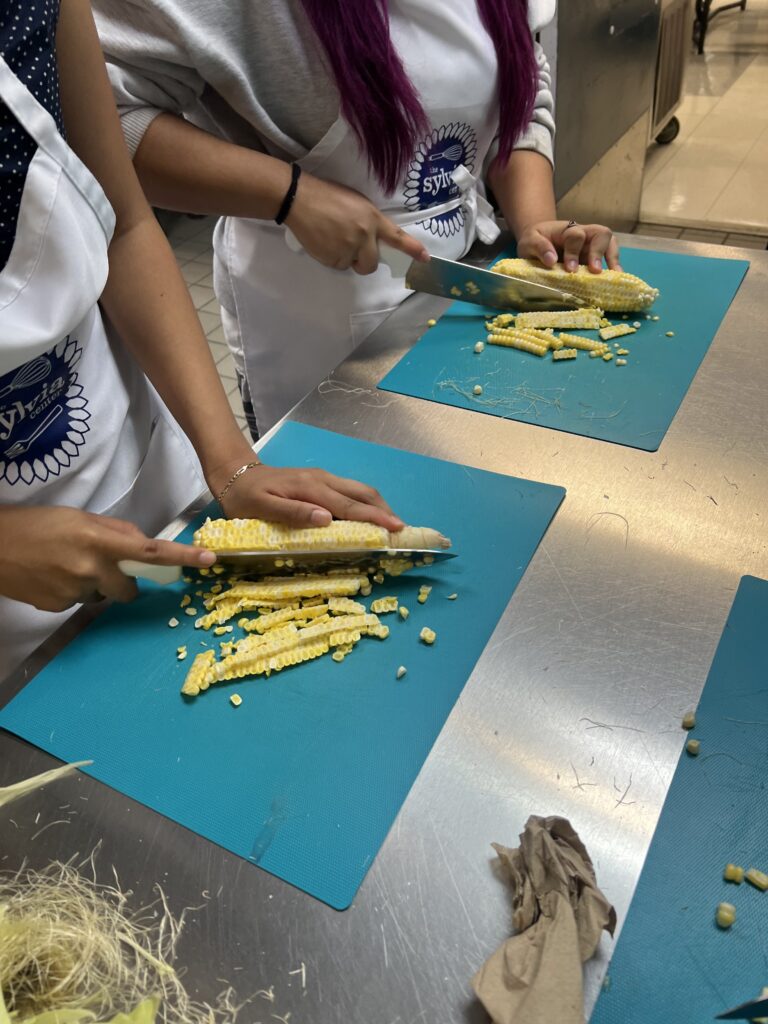
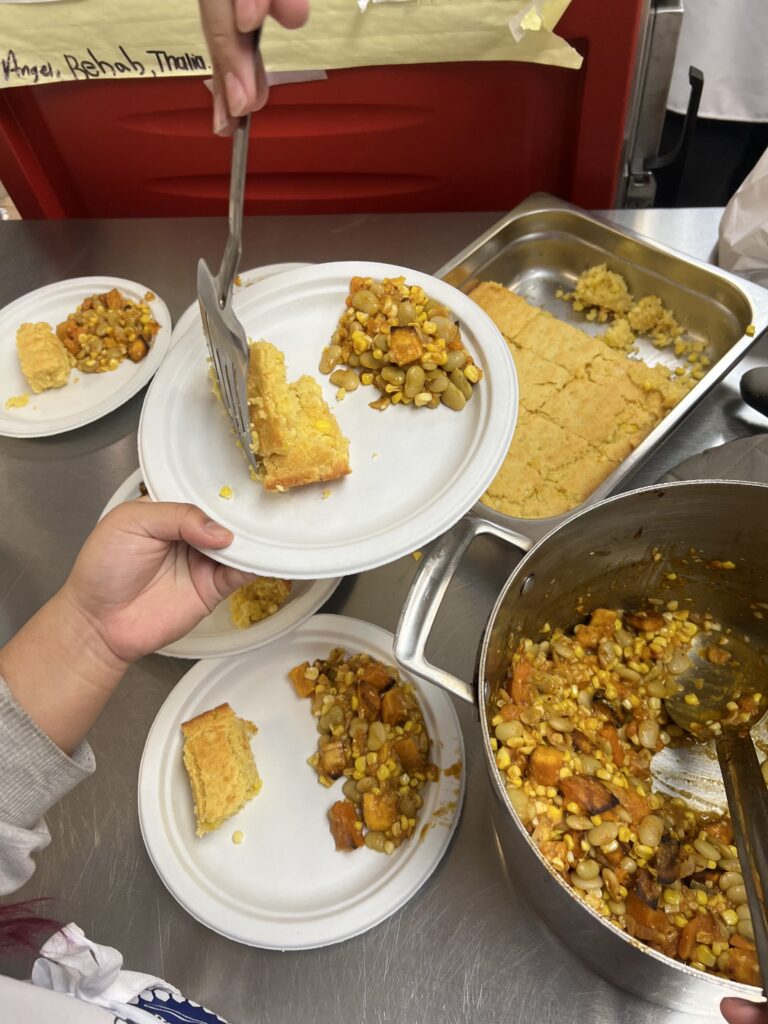
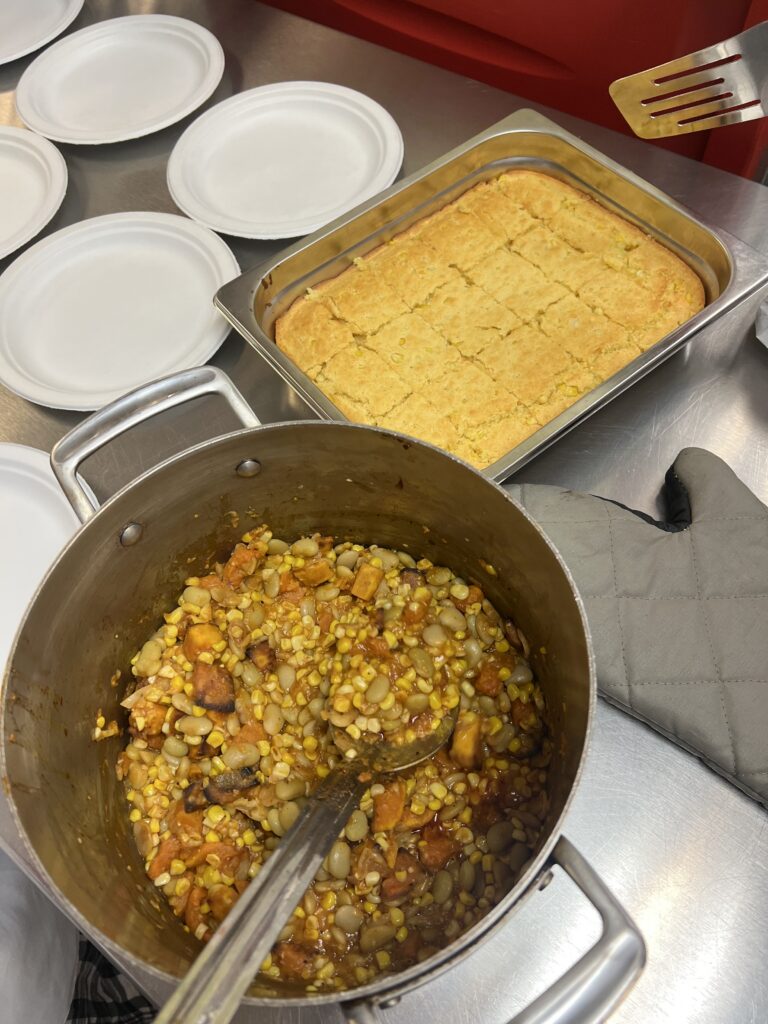
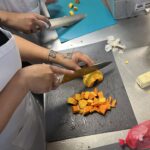
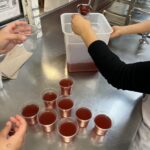
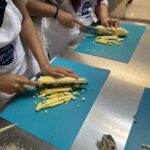
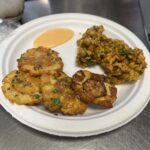
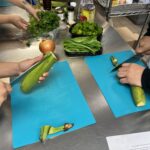
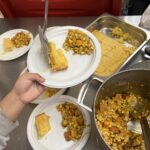
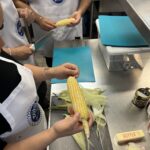
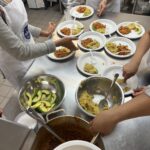
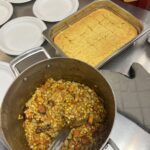
This November, Teen Culinary Apprenticeship students have been slicing kernels from the cob and dicing squash for Three Sisters soup, learning about the Indigenous practice of growing corn, beans, and squash together. Alongside the soup, they baked cornbread and prepared a tart sumac-ade with wild American sumac and maple syrup. The lesson also connected food to local history through the Lenape people.
On the Menu: Food, Culture, and Connection
It’s part of an extended heritage diet series led by The Sylvia Center’s TCA Programs Coordinator Will, with each class exploring a different heritage through its ingredients, dishes, and cooking traditions. Heritage diets shape our teaching across all programs, but this series gives apprentices time to dive deeper into each, exploring ingredients, history, and cultural impact while making—and tasting—dishes rooted in those traditions.
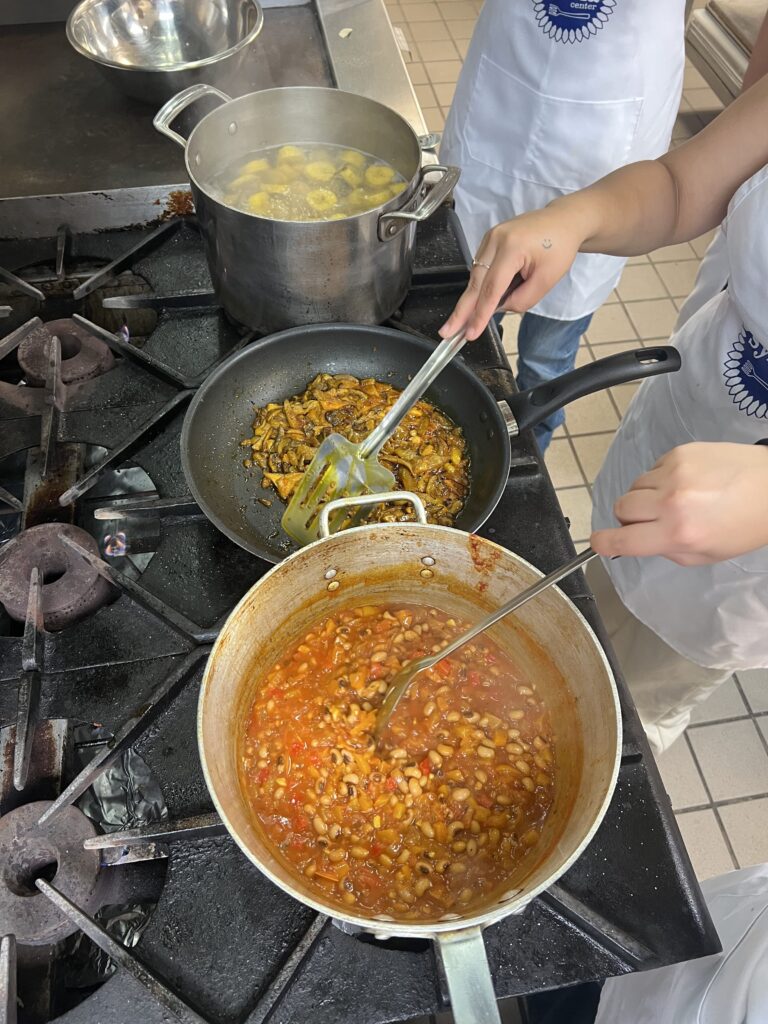
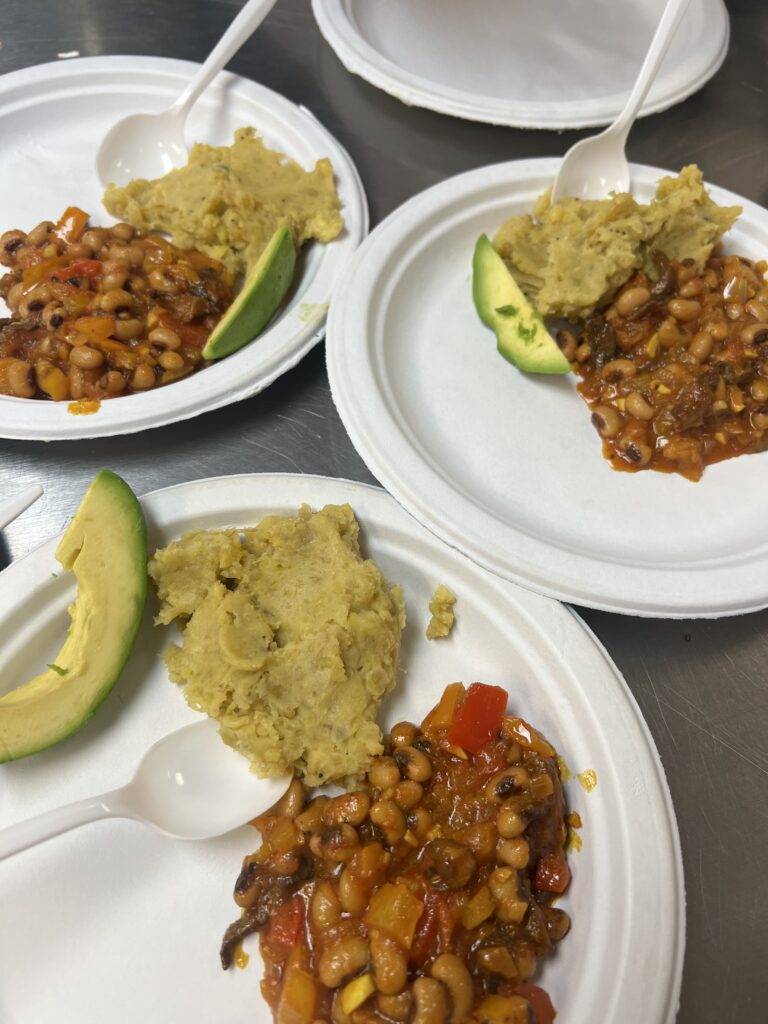
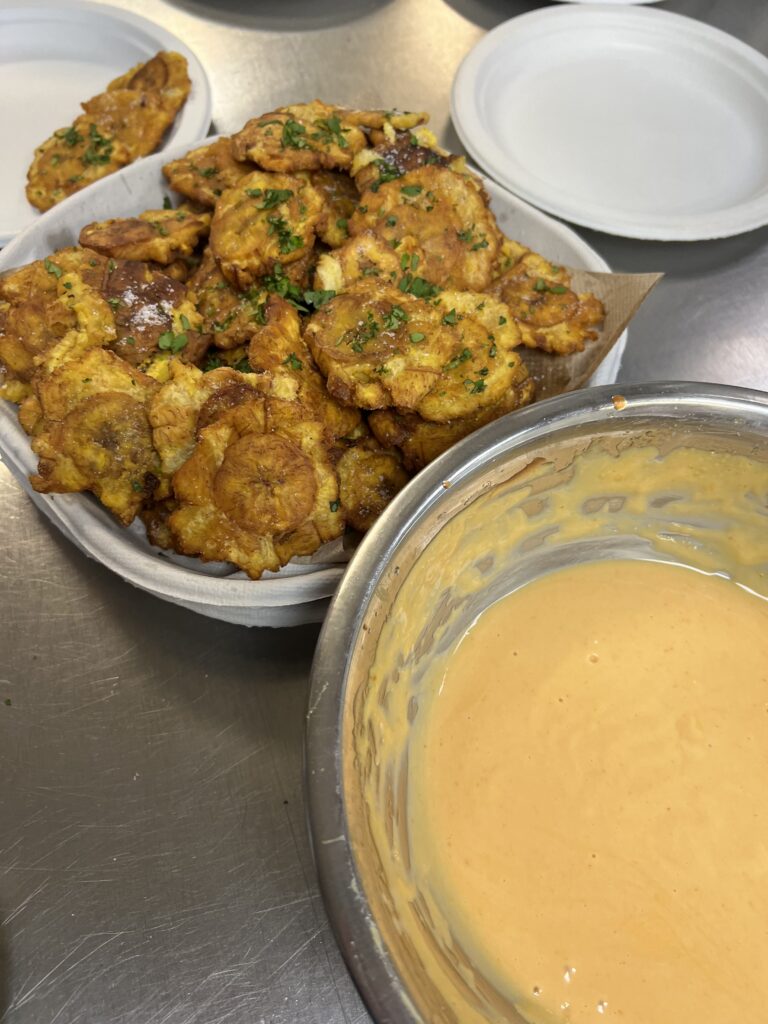
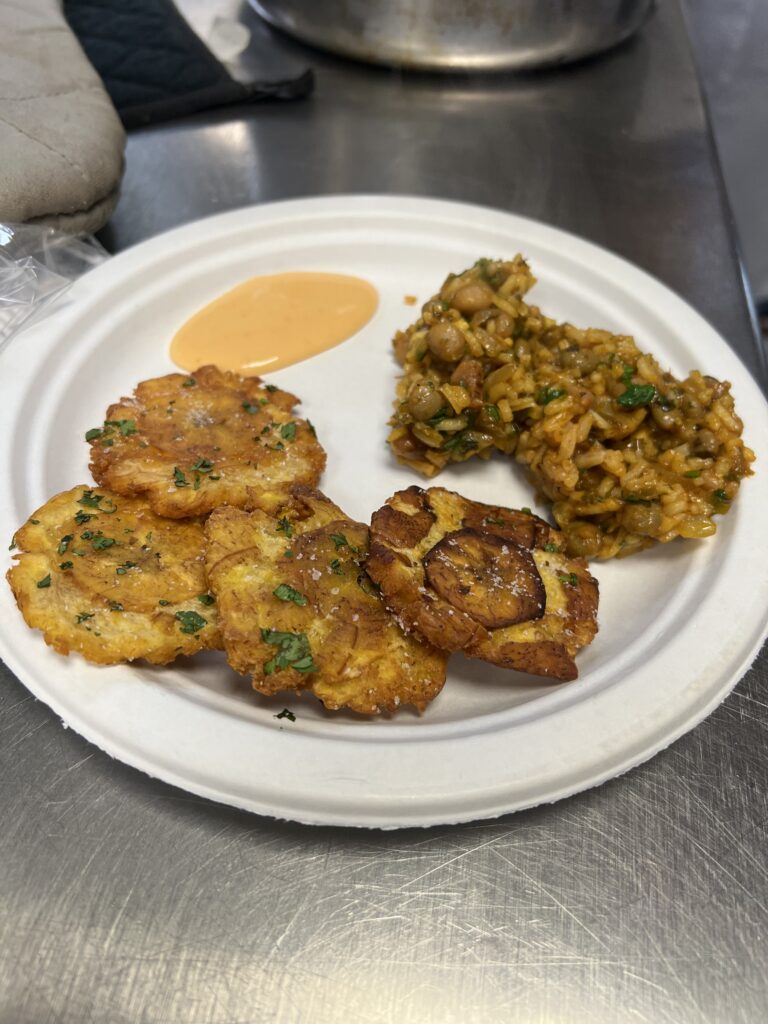
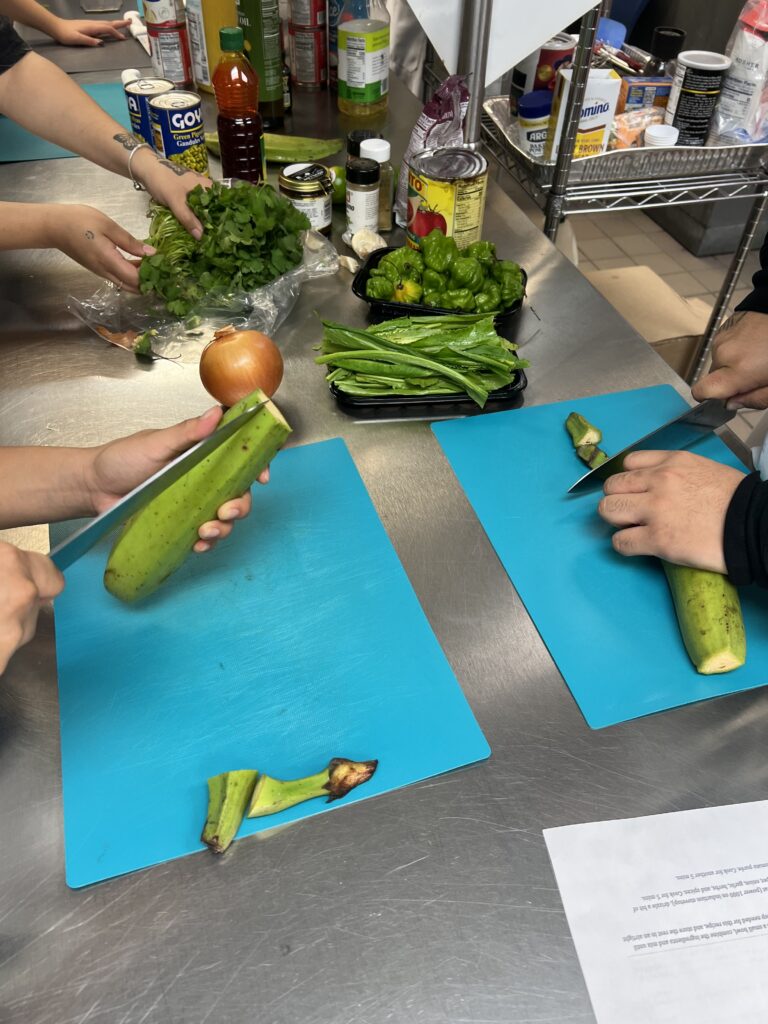
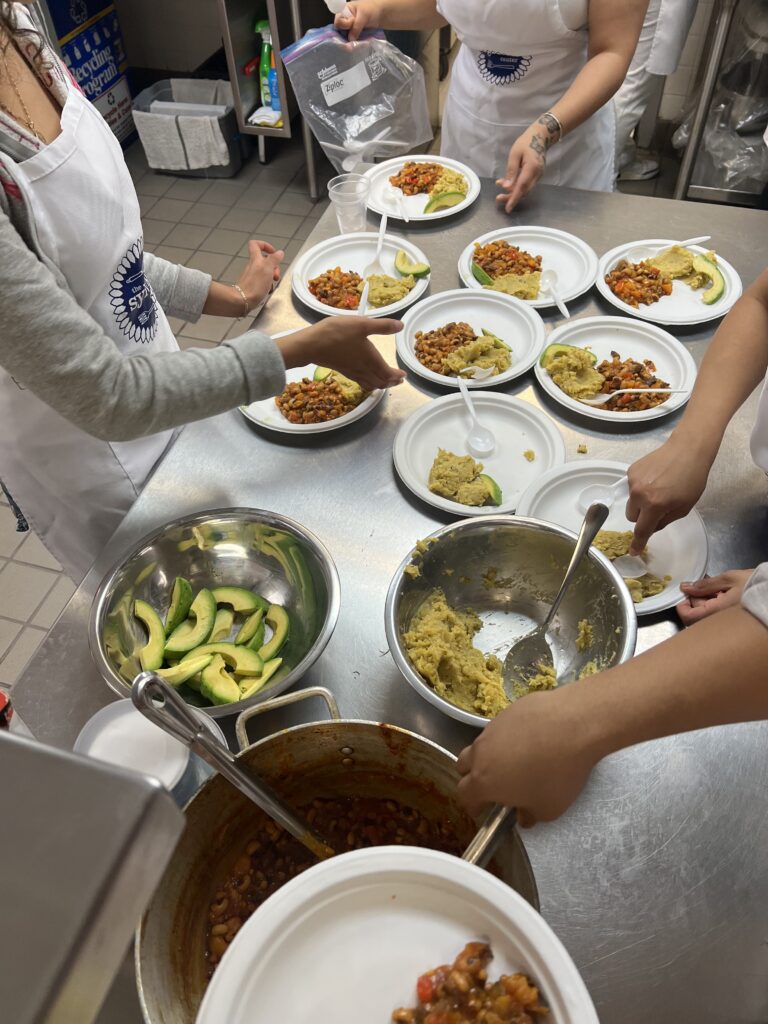
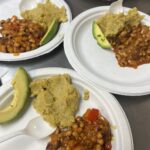
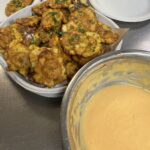
Their first class explored African heritage, with students making Ghanaian red red stew with mashed plantains, avocado, and Nigerian zobo. A Caribbean heritage class followed, with students preparing baked tostones and Puerto Rican arroz con gandules. Across the first three classes, familiar staples—beans, rice, corn, and plantains—offered starting points for discovering different techniques and ways to build a nourishing meal. They also opened up connections between food traditions: shared ingredients taking different forms, shaped by the places and people who cook with them.
Cooking these dishes also helps students learn how to care for themselves through food. Knowing that an ingredient is nutritious is useful; knowing how to prepare it, make it taste delicious, and incorporate it into meals you enjoy makes that knowledge part of everyday life.
Shared Ingredients, Different Stories
Heritage diets—the foods and cooking traditions passed down through generations—give students many ways into that learning. Rather than presenting one cuisine as the model for healthy eating, The Sylvia Center explores how cultures around the world create nourishing meals.
For young people, seeing familiar foods celebrated in class can also mean seeing their own lives and family knowledge valued. A dish they know from home belongs in the conversation alongside something they’ve never tasted. Both offer opportunities to contribute, ask questions, and learn from one another.
Our educators make room for that exchange. They encourage curiosity without pressuring students to like every ingredient, and help young cooks build confidence through practice. In this series, preparing a menu means working with ingredients while exploring the traditions behind them. Slicing corn and dicing squash build knife skills; making Three Sisters soup connects those tasks to a wider story about how food is grown and shared.
New Skills, Familiar Flavors
The practical learning reaches beyond any one dish. Across The Sylvia Center’s programs, students learn to choose ingredients, adapt recipes, and prepare meals with the resources available to them. Along the way, they practice sharing responsibilities, solving problems, and contributing to something everyone will eat.
Then comes the shared meal: a chance to taste, compare notes, and enjoy the work of their own hands.
For these teens, exploring food traditions expands what’s possible in the kitchen. Ingredients become more familiar, recipes become more approachable, and cooking becomes something they can do for themselves and others. The meal ends, but students take the knowledge—and ideas for what to make next—home with them.