






What makes a meal healthy? It’s a question that sounds simple enough, until you try answering it in a classroom full of 11-year-olds.
Do you start with nutrients, cultural traditions, or how a dish is prepared? What if the students think healthy means boring? What if the ingredients you’re recommending aren’t available in their neighborhoods?
At The Sylvia Center, questions like these shape how we teach. Our Chef Educators help young people understand food: what it does for our bodies, how it connects to culture, and how to make choices that work for their lives.
We’ve spent nearly 20 years developing that approach, and we know it takes more than culinary expertise. So when support from the William T. Grant Foundation and the Tirosh Family Fund gave us the chance to invest more deeply in our educators, we jumped at it.
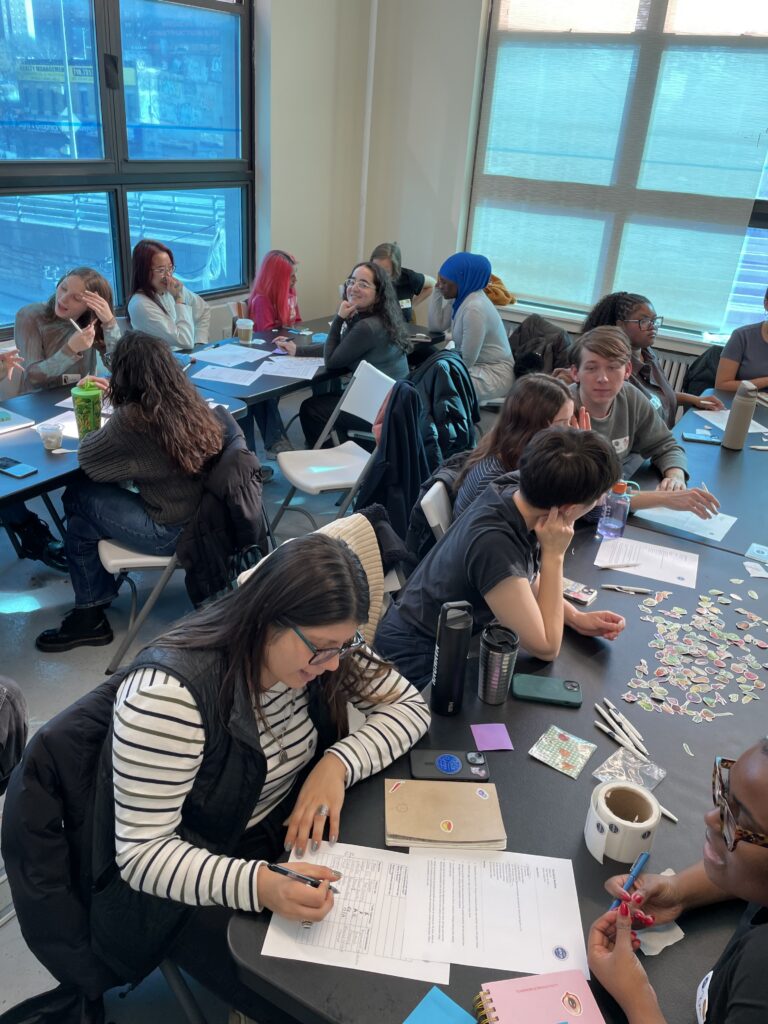
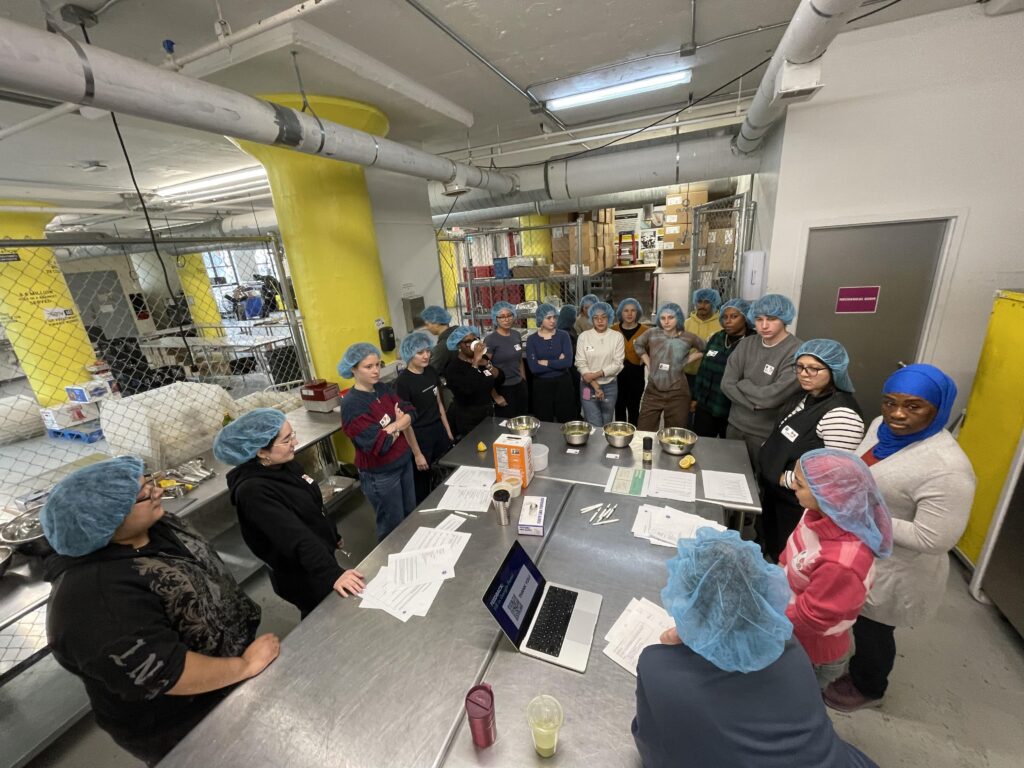
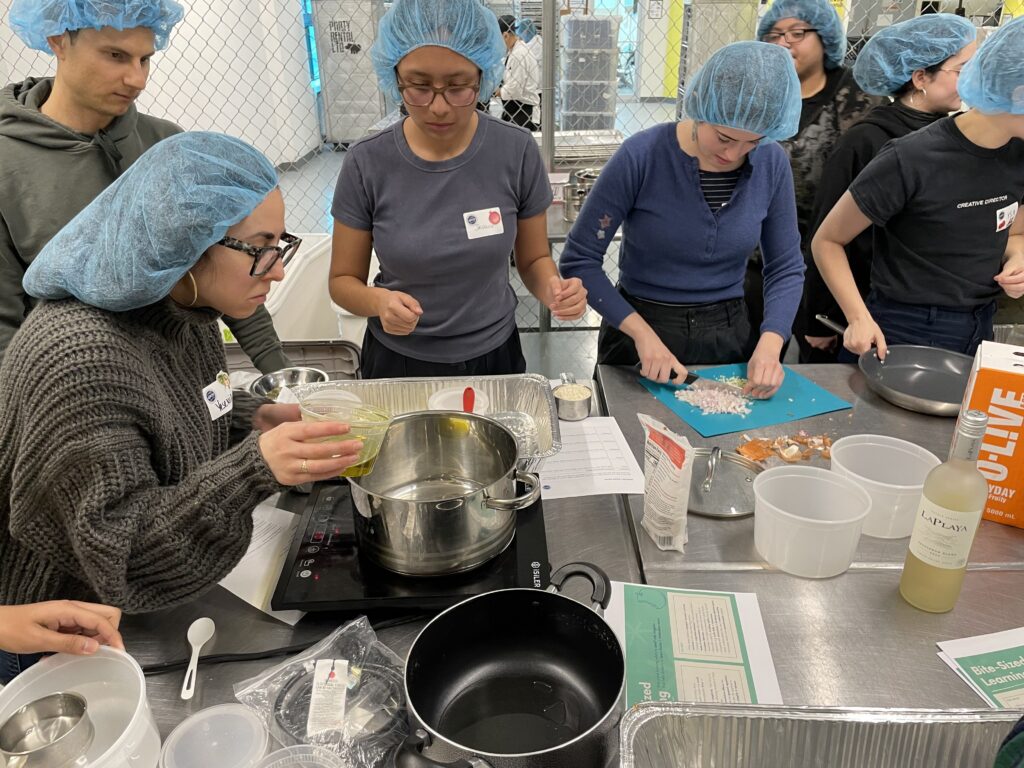
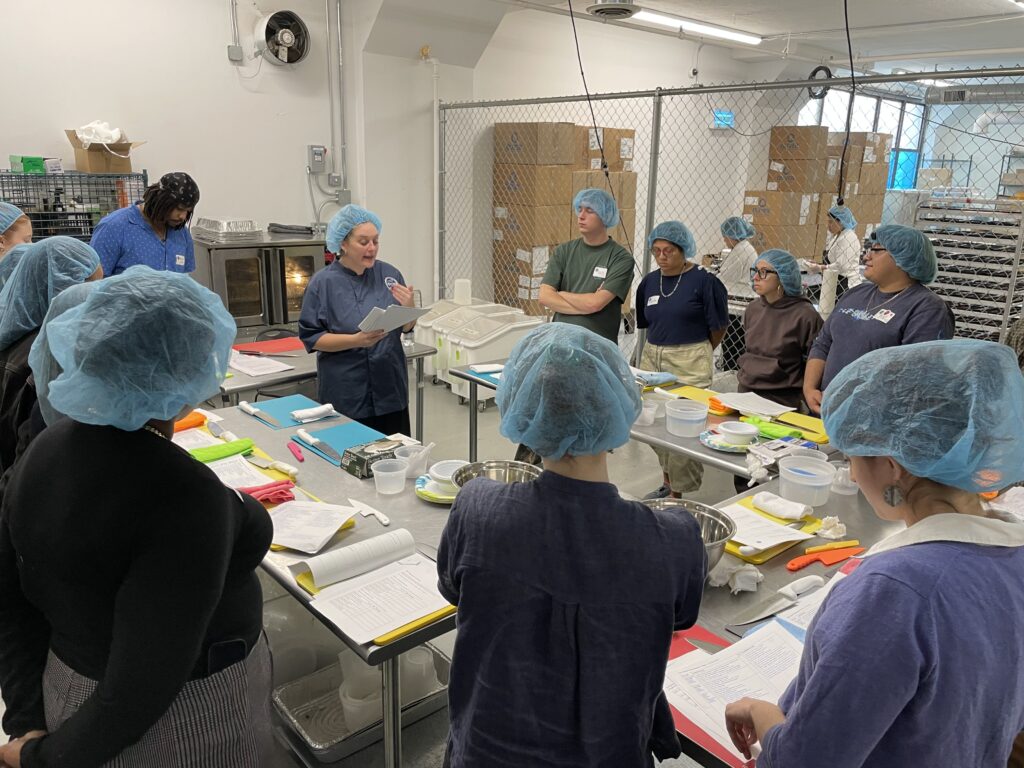
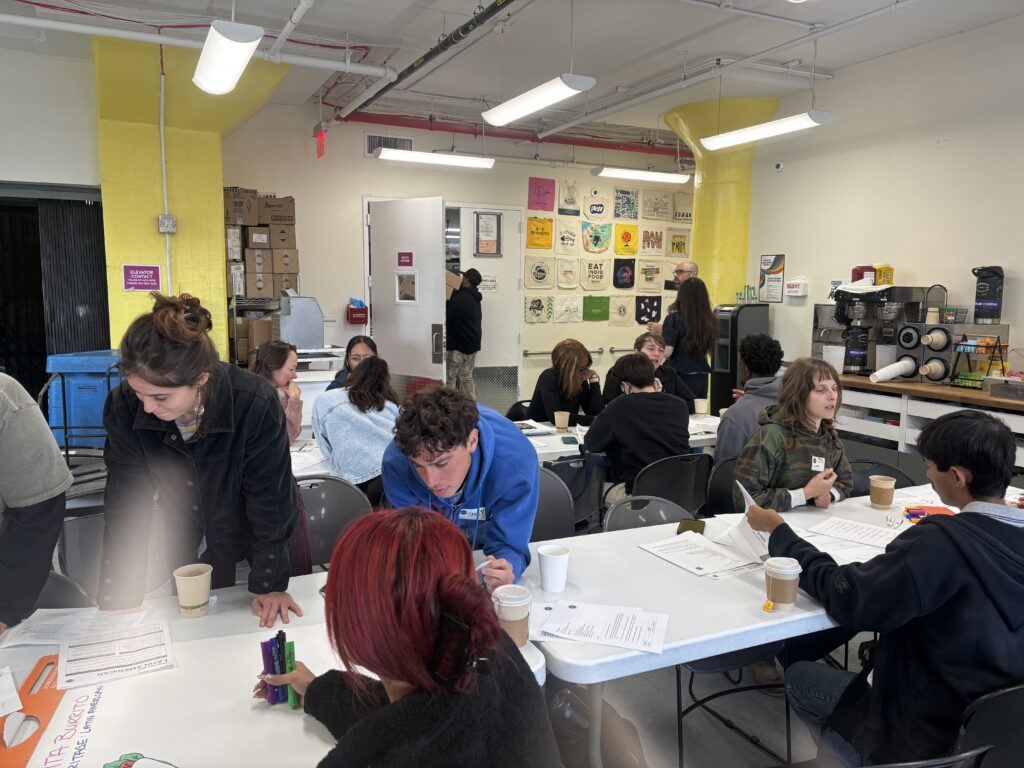
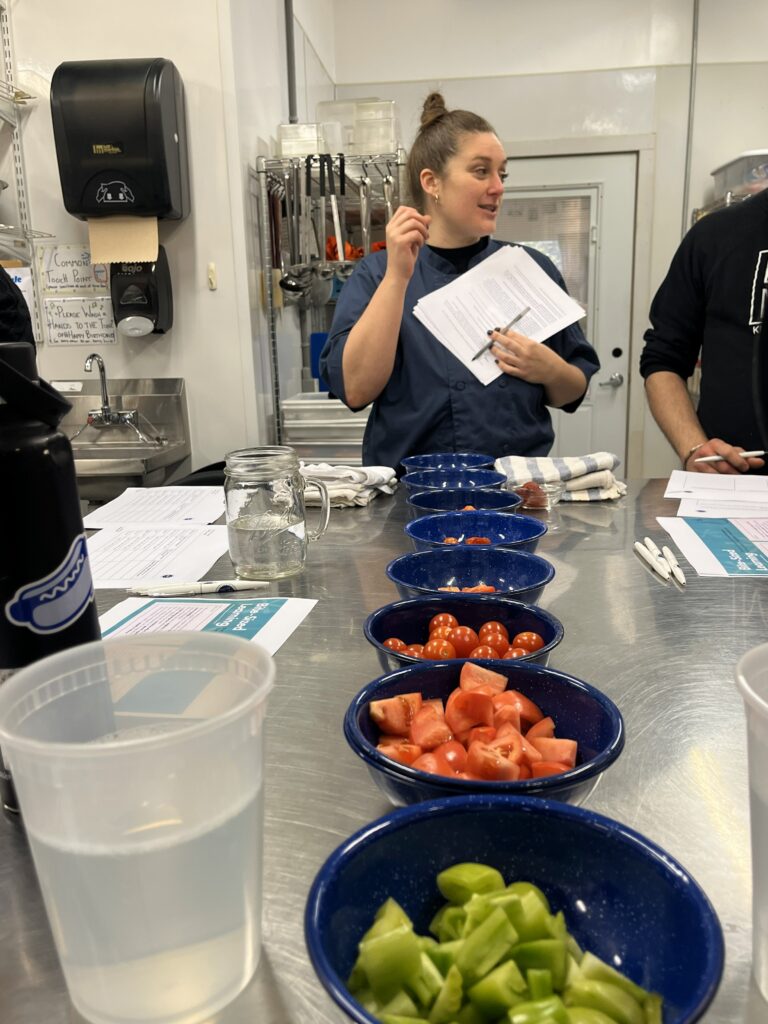
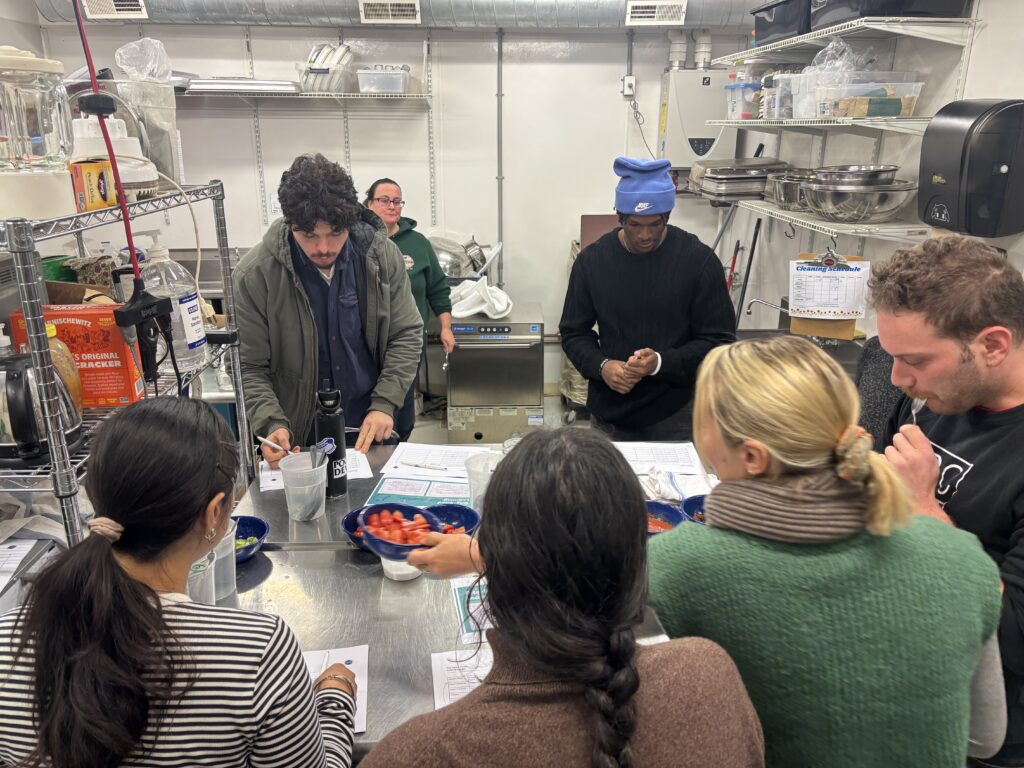
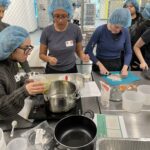
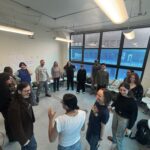
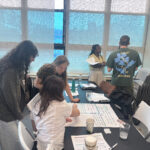
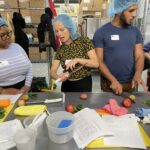
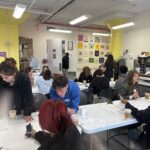
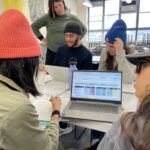
Over the last year, our program staff came together for monthly professional development sessions in the Bronx and at Katchkie Farm. From food science and nutrition to heritage diets and youth development, there was cooking, experimentation, discussion—even poetry and movement.
We shaped the training around educators’ feedback. Already confident in their culinary skills, they wanted to strengthen their teaching of nutrition, adapt lessons for different students, and encourage more meaningful participation. After each session, we gathered feedback to help refine the training as the year progressed.
From Workshops to Classrooms
Take heritage diets. Food carries stories of family, migration, place, and identity. When educators draw on those connections, they can help students recognize the nutritional value of their own food traditions, rather than treating healthy eating as something separate from home.
As one educator reflected after a professional development session, bringing specific heritage diets into a lesson helps students feel seen and, therefore, more engaged.
Other sessions focused on making complex nutrition concepts accessible to young people of different ages. Educators practiced breaking big ideas into manageable teaching moments that could be woven into cooking activities, rather than delivered as separate lectures. These short, memorable “nutrition nuggets” are now part of our approach across programs.
And sometimes the best way to teach is to let students experiment.
During a workshop, we presented educators with a Chopped-style challenge: using a basic risotto recipe, mystery ingredients, and a scenario requiring substantial substitutions, they had to work together to preserve the dish’s signature creamy texture.
The exercise modeled how to teach food science and problem-solving through cooking. One of our educators brought the format to his school, where students transformed mango, yogurt, chickpeas, and cornflakes into dishes including cornflake-crusted falafel and mango ceviche. It was such a success that we’re now developing it into a formal part of our curriculum.
Building on Our Collective Strengths
Perhaps one of the greatest gifts of the year was something surprisingly simple: time to learn together.
Our educators bring expertise from professional kitchens, nutrition, community food work, and classrooms. Most work with us part-time, teaching across all five boroughs of New York City and upstate. Bringing them into the same space regularly gave them opportunities to watch one another teach, exchange techniques, and discover different ways of making lessons engaging and accessible.
“I loved hearing everyone’s ‘teacher’ voice,” one educator laughed.
That exchange helped turn a wealth of individual expertise into stronger shared practice, while preserving the different teaching styles that make our programs special.
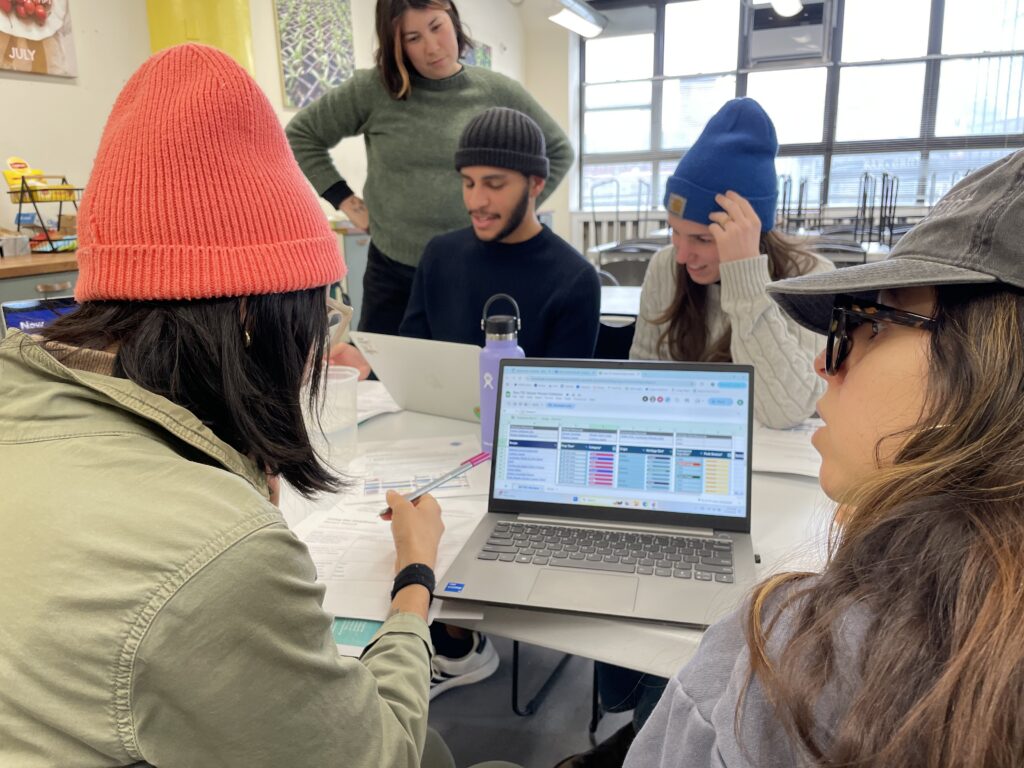
The year also gave us opportunities to examine our programs more closely. Educators reviewed student survey data, looking for small changes that could make a meaningful difference in the classroom. Simple practices such as intentional goal-setting and student check-ins offered new ways to encourage participation and help young people recognize their own progress.
These experiences reinforced an important lesson: while our educators’ varied backgrounds are one of our greatest strengths, a shared foundation of culinary, nutrition, and teaching knowledge is essential to delivering consistently strong programs.
And the work continues. We’re hoping to build on this year through ongoing professional development, peer learning, more frequent coaching, and clearer curriculum resources that support educators while still encouraging their creativity and individuality.
We’re enormously grateful to our funders for making this investment possible, and to the educators whose enthusiasm and commitment brought it to life. Because investing in the people behind our programs means investing in every young person who enters a Sylvia Center classroom.